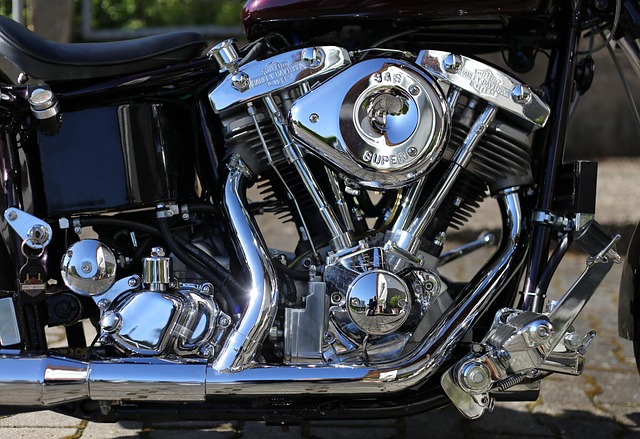
Motorcycle salvage re-registration in California offers significant cost savings on restored bikes. Key steps include eligibility check, paperwork (Form MV525), certified repairs, and guidance from licensed agencies like Quick Auto Tags. Over 50% success rate highlights viability. Reputable dealers ensure valid history checks, avoiding title issues. Comprehensive inspection of frame, engine, brakes, suspension, and electrical systems is crucial for identifying potential gems. Flexible regulations enable repurposing unsalvageable bikes elsewhere. Strategic restoration techniques and professional help adhere to legal requirements, ensuring quality and safety while saving money on salvaged motorcycles.
In the ever-evolving world of motorcycle ownership, managing costs while ensuring safety remains paramount. For many enthusiasts, purchasing a salvage bike presents an appealing solution to budget constraints, offering a chance to revive a machine with untapped potential. However, navigating the process of motorcycle salvage re-registration can be daunting. This article provides expert insights and practical tips to guide you through this journey, ensuring a seamless transition from salvaged to roadworthy, while also saving you substantial funds. By following these strategies, you’ll not only enhance your riding experience but also master the art of responsible cost-cutting.
- Understanding Motorcycle Salvage Re-registration Process
- Locating Reliable Salvage Bike Sources
- Assessing Bike Condition: What to Look For
- Cost-Effective Restoration Techniques
- Legal Considerations for Repurposing Salvaged Parts
- Tips for Maximizing Your Budget with Used Motorcycle Parts
Understanding Motorcycle Salvage Re-registration Process

Saving money on salvage bikes is a smart financial move, but navigating the motorcycle salvage re-registration process can be daunting. Understanding how to legally get your declared salvage vehicle back on the road is crucial. In California, for instance, the process involves adhering to guidelines set by the California Department of Motor Vehicles (DMV). This ensures that only safe and eligible vehicles are restored to operational status. The first step is to assess whether the bike meets the state’s criteria for re-registration. A declared salvage vehicle can be repaired and registered if it has been inspected and approved as safe by an authorized mechanic or dismantler.
Once the motorcycle passes inspection, the next step involves completing necessary paperwork, which includes filling out a Form MV525 (Application for Title and Registration). This form is crucial in informing the DMV about your intention to repair and re-register the salvage bike. It’s important to note that the process isn’t merely a formality; the DMV carefully reviews each application to ensure compliance with their regulations. After submitting the required documents, you’ll need to arrange for the necessary repairs, ensuring they’re done by certified mechanics or at approved facilities. This guarantees that the vehicle meets all safety standards before being re-registered.
For many riders, getting help during this process can make all the difference. Organizations like Quick Auto Tags offer specialized vehicle salvage re-registration assistance, guiding owners through every step from documentation to repairs. They ensure that everything is done correctly and efficiently, potentially saving valuable time and effort. According to recent data, over 50% of declared salvage vehicles are successfully re-registered after repair, showcasing the viability of this process for responsible bike enthusiasts looking to save money. By following these guidelines and seeking expert aid when needed, you can get your salvaged motorcycle back on the road in no time, all while adhering to legal requirements.
Locating Reliable Salvage Bike Sources
Locating reliable sources for motorcycle salvage re-registration is a crucial step in saving money on these cost-effective bikes. Many riders overlook the importance of checking the history of a salvage-titled vehicle, which can be a potential pitfall if not done properly. One key aspect to consider is ensuring that the bike lacks a valid title—a common issue with salvage vehicles. This might seem like a red flag, but it also presents an opportunity for savvy buyers to acquire these bikes at significantly reduced prices.
Reputable dealers and licensed tag and title agencies can be your best allies in this process. These professionals specialize in navigating the complexities of salvaged vehicles and can help you avoid potential legal issues. For instance, Quick Auto Tags offers hassle-free junk car paperwork services, ensuring a smooth transaction for those looking to purchase salvage bikes. By utilizing their expertise, buyers can focus on assessing the bike’s condition rather than bureaucratic hurdles.
When researching sources, it’s essential to look beyond the price tag and consider the overall legitimacy of the dealer or agency. Reputable businesses will provide detailed information about the vehicle’s history, including any accidents or damage, allowing you to make an informed decision. Remember, while a lower price is enticing, a salvage-titled bike that has been properly inspected and registered can offer excellent value for money, providing a reliable ride without breaking the bank.
Assessing Bike Condition: What to Look For

Assessing the condition of a motorcycle salvage re-registration candidate is a crucial step in saving money. Before considering the cost-saving benefits, it’s essential to understand what to look for when evaluating a salvaged bike. The process involves meticulous inspection to ensure the bicycle’s structural integrity and mechanical soundness. Key areas to scrutinize include the frame, engine, drivetrain components, brakes, suspension systems, and electrical systems. Look for signs of previous repairs or accidents, such as uneven welds, misaligned parts, or unusual damage patterns, which could indicate subpar craftsmanship or prior mishandling.
In California, streamlining the registration process for salvage vehicles is a significant consideration. Many bikes that would otherwise be deemed unsalvageable in other states can find new life and new owners thanks to flexible regulations regarding salvage titles or rebuilt/reconstructed titles. However, ensuring these vehicles are fit for safe operation requires thorough assessment. When inspecting a motorcycle lacking a valid title, mechanics and buyers must carefully evaluate its condition to determine if it’s a worthy investment. A meticulous eye for detail can uncover hidden gems amidst the seemingly damaged or neglected exterior.
For instance, consider a bike with visible frame damage but intact mechanical components. With proper repairs, this could be a reliable daily rider or even a track-ready machine. Quick Auto Tags, specialists in fast salvage car re-registration, emphasize the importance of an honest appraisal. They offer expert guidance, ensuring buyers make informed decisions and avoiding potential headaches down the road. By understanding what to look for during the assessment phase, you can confidently navigate the world of motorcycle salvage re-registration, making cost-effective choices without sacrificing quality or safety.
Cost-Effective Restoration Techniques

Saving money on salvage bikes isn’t just about finding a bargain; it’s an art form that combines cost-effective restoration techniques with strategic planning. When you’re dealing with a salvaged or junked vehicle, understanding the process of motorcycle salvage re-registration is crucial. In California, for instance, this involves working with a licensed tag and title agency authorized by the DMV. These professionals can guide you through every step, ensuring that your restored bike meets all legal requirements.
One of the most effective strategies is to focus on the core components of the motorcycle rather than its overall condition. By replacing or repairing only what’s necessary, you significantly reduce restoration costs. For example, a functional engine and transmission can often be sourced from other salvage yards, saving you a substantial amount. Additionally, utilizing recycled parts not only cuts down expenses but also contributes to environmental sustainability. Many experienced restorers find that disassembling the bike piece by piece allows for more precise assessments and targeted repairs, ultimately minimizing unnecessary spending.
Consider seeking out specialized services like Vehicle Salvage Re-registration Assistance from Quick Auto Tags. They can simplify the process, ensuring compliance with California’s regulations. This is particularly beneficial when navigating the complex paperwork required for salvaged vehicles. By enlisting their help, you gain peace of mind, knowing that every detail is handled correctly, enabling you to allocate your resources more efficiently towards restoration efforts. Remember, a well-restored salvage bike isn’t just a functional machine; it’s a testament to your resourcefulness and ingenuity.
Legal Considerations for Repurposing Salvaged Parts
When repurposing motorcycle parts from salvage vehicles, understanding legal considerations is paramount to ensure compliance and avoid potential issues. In many jurisdictions, including California, re-titling salvaged and junked vehicles is a regulated process. Specifically, for motorcycle salvage re-registration, you’ll need to familiarize yourself with local laws governing the transfer of ownership and vehicle registration. The California Department of Motor Vehicles (DMV) provides guidelines for handling these situations, allowing the re-titling of salvage-titled vehicles under certain conditions.
The primary step involves verifying that all parts being reused are legally obtained and meet safety standards. This process often includes inspection and documentation to ensure the vehicle’s history is transparent. For instance, in California, the DMV authorizes the re-titling of salvaged vehicles up to three times within a specific timeframe, promoting a sustainable cycle where parts can be reused responsibly. It’s crucial to consult official resources or seek guidance from experts like Quick Auto Tags, which specializes in handling DMV junk vehicle registration, ensuring you navigate this process smoothly and legally.
Furthermore, staying updated on local regulations is essential as laws can change, impacting your ability to repurpose salvaged parts. Regularly reviewing these guidelines allows for informed decision-making and ensures your projects align with legal requirements. By understanding the legal framework surrounding motorcycle salvage re-registration, you can confidently proceed, contributing to a more circular economy while adhering to regulatory standards.
Tips for Maximizing Your Budget with Used Motorcycle Parts
Saving money on salvage bikes is a strategic endeavor that requires knowledge of motorcycle parts and the legal process behind re-registration. One key aspect to maximize your budget is understanding how to leverage used motorcycle parts effectively. Many riders overlook this aspect, but with careful consideration, you can significantly reduce costs without compromising quality or safety.
When purchasing from a declared salvage vehicle, ensure all parts are in good condition and authorized by the California DMV. This includes checking the motorcycle’s frame, engine, transmission, and electrical systems for any damage or repairs needed before re-registration. A licensed tag and title agency can guide you through this process, ensuring compliance with local laws. For instance, in California, a declared salvage vehicle must be properly inspected and have a valid license plate and registration.
Consider using an authorized service like Quick Auto Tags to re-register your junk vehicle. They specialize in streamlining the process for salvage bikes, making it easier and more affordable. By utilizing their expertise, you can avoid common pitfalls and potential fines associated with DIY attempts at motorcycle salvage re-registration. Moreover, they offer a comprehensive parts inventory, allowing you to find exactly what you need without overspending.
Regularly assess market prices for used motorcycle parts to stay informed about trends and identify deals. This proactive approach ensures you get the best value for your money. Remember, successful budget maximization involves a blend of knowledge, strategic planning, and leveraging professional services where necessary.
By navigating the Motorcycle salvage re-registration process, locating trusted sources, and understanding bike condition, you can find significant savings on salvaged bikes. Assessing key components, adopting cost-effective restoration techniques, and adhering to legal considerations for repurposing parts maximize budget efficiency. Additionally, leveraging tips for acquiring used motorcycle parts strategically enhances your financial leverage. This article equips readers with the knowledge to transform salvaged motorcycles into reliable, affordable rides while ensuring compliance with regulations.


